November 14, 2026
What to Confirm Before Booking a Scheduled Aerial Capture
By @concreteandcontext
Before you lock in a date for a scheduled aerial capture, the most important step is to confirm that the site is ready for flight. A drone mission that arrives too early or without proper coordination can waste time, produce unusable data, or even be grounded entirely. The direct answer: verify site access, weather windows, construction phase, and pilot coordination before the capture date is set.
Site Access and the Flight Area
The first practical check is whether the flight area is physically accessible. Construction sites change quickly. A road that was open last week might now be blocked by a new delivery, a trench, or temporary fencing. If the drone operator cannot reach the launch point, the capture cannot happen. Confirm that access roads are clear and that any gates or barriers can be opened on the scheduled day. If the site uses a security guard or a booking system for vehicle entry, make sure those arrangements are in place for the capture window.
Also confirm the site boundary. The flight area must be clearly defined so the pilot knows exactly where to fly and where not to go. If the site has changed shape since the last visit, for example through a land purchase or a new exclusion zone, the capture plan may need updating. A quick walk around or a look at recent site photos can catch these changes before the drone is on site.
Weather Conditions and Light
Weather is the biggest variable in any capture schedule. A scheduled aerial capture is useless if the sky is overcast, the wind is strong, or rain is expected. The project team should check the forecast for the capture window, but also understand the limits. Drones used for construction progress typically need stable air, no precipitation, and good natural light. Early morning or late afternoon can produce long shadows that hide detail in trenches or under structures. Midday light is often best for orthomosaic maps because it reduces shadow. If the project requires a specific lighting condition, such as an overcast day to soften shadows on a reflective roof, that should be discussed with the pilot before the date is set.
Wind speed matters more than most people think. Consumer drones can handle moderate wind, but precision mapping requires a steady platform. If the forecast shows gusts above the drone's operating limit, the capture may need to be rescheduled. The project team should have a backup date in mind, especially during seasons with changeable weather.
Construction Phase and Site Readiness
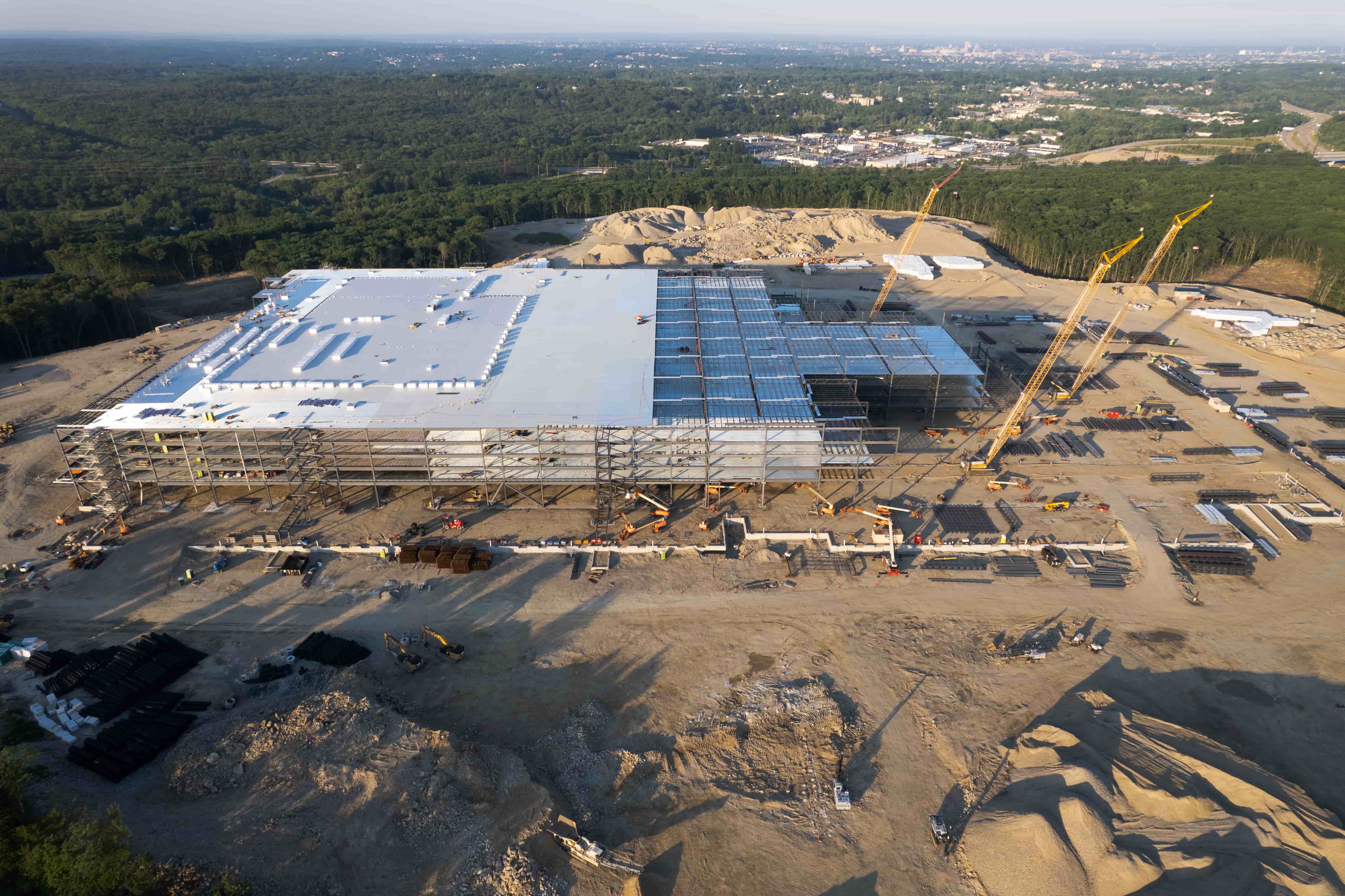
The reason for the capture determines what needs to be confirmed on the ground. If the goal is to document progress, the site must be at the expected stage. For example, a foundation pour that was postponed means the drone will capture an empty hole instead of a completed slab. Check with the site manager that the construction phase has reached the point where the aerial data will be useful. This sounds obvious, but it is easy to assume the schedule has held when in reality a delay has shifted the work.
Likewise, if the capture is meant to create a baseline model before earthworks begin, the site must be in its original state. Any grading or clearing that has already happened will change the data. The project team should confirm that no work has started in the flight area unless that is intentional.
Pilot Coordination and Site Safety
Pilot coordination is more than just giving a date. The pilot needs to know about site hazards: power lines, cranes, tall equipment, or areas where people will be working during the flight. The project team should share a site safety briefing and any required personal protective equipment rules. Some sites require the drone operator to have specific safety training or to sign a safety document. Confirming these details early prevents a last-minute scramble.
The capture schedule itself should account for site activity. Flying over an active work zone with heavy machinery moving is risky and may break site safety rules. The best time is often during a lunch break or at the end of the day when activity is low. The project team should coordinate with the site manager to pick a window that minimises risk and disruption. A scheduled aerial capture that arrives during a concrete pour or a steel erection will not be welcome.
One practical tip: ask the pilot what information they need from the site before they arrive. Some operators require a site map with hazards marked, a contact person on site, and a confirmed parking spot. Having these ready before the date means no delays on the day.
A well-organized project team will also confirm the data output format. Different captures produce different deliverables: orthomosaic maps, 3D models, point clouds, or simple video. The project manager should know what format the team needs and verify that the pilot can deliver it. This is not a technical hurdle, but it avoids the frustration of receiving a file that cannot be opened in the project's usual software.
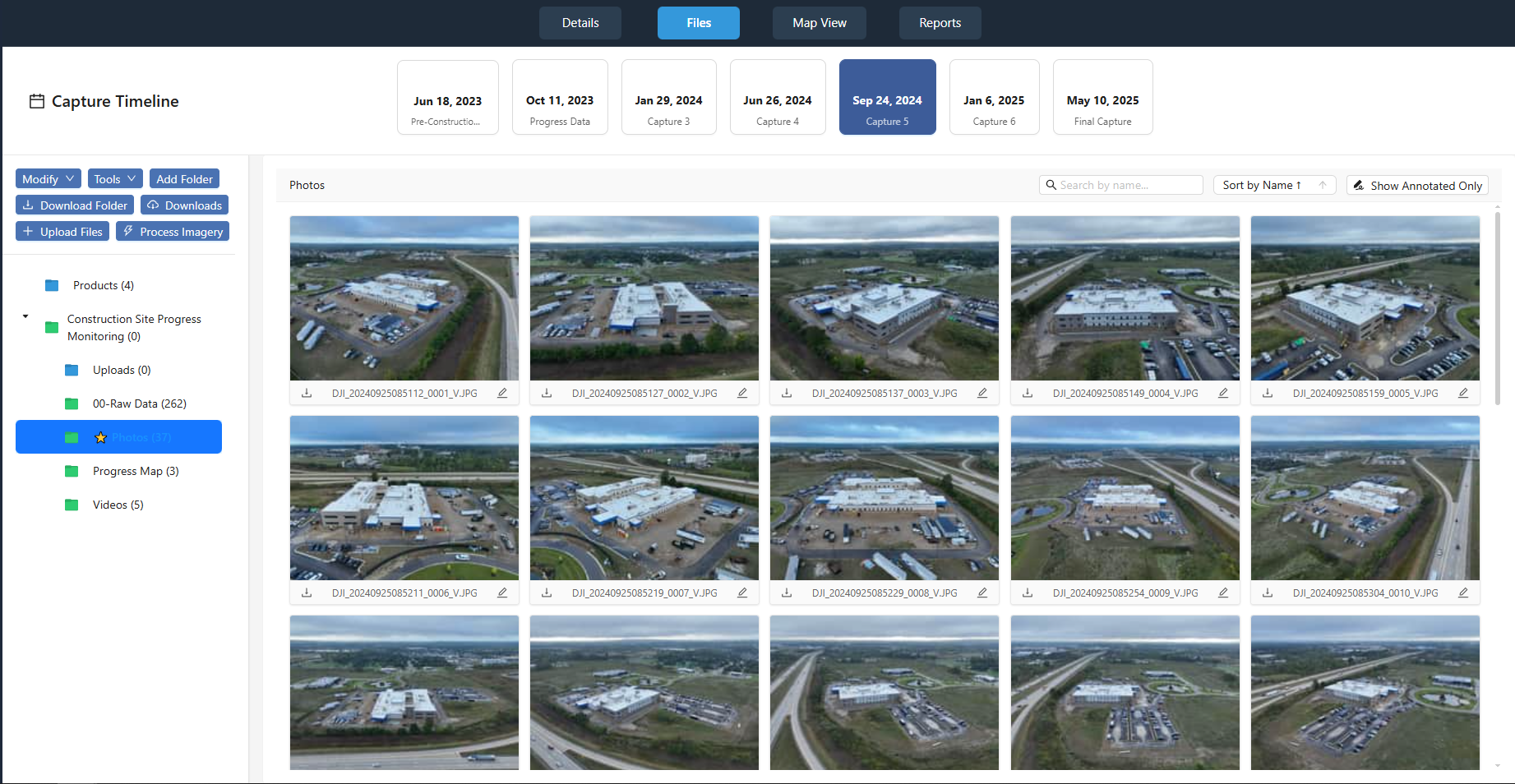
For teams that manage multiple captures across a long project, using a single portal to track progress can help. Services like nationaldroneservices.net provide a coordinated approach with aerial maps, 3D models, and site imagery organised in a project portal. This kind of setup makes it easy to compare captures from different dates and share results with stakeholders. The key is to confirm the capture details before each flight, not after.
The Capture Window and Backup Plans
Finally, confirm the capture window itself. How long will the pilot be on site? Is there a hard deadline before which the data must be uploaded? If the project needs the images for a progress report on Friday, the capture should happen early enough to allow processing time. Drone data often needs to be stitched or processed before it is useful. A capture on Thursday afternoon might not be ready until Friday evening, which could miss the deadline.
Having a backup plan is wise. If weather or an unexpected site issue forces a cancellation, the team should already know the next available date. A good practice is to book a primary date and a secondary date a few days later. This way, if the first attempt fails, the project does not lose a whole cycle of progress data.
In summary, the work before the capture is what makes the capture valuable. Confirm site access, the flight area, weather conditions, construction phase, pilot coordination, site safety, data format, and the capture window. When these are checked, the scheduled aerial capture runs smoothly and delivers exactly what the project needs. For teams that repeat this process often, using a structured booking system like the one at nationaldroneservices.net can keep everything organised across multiple phases and dates.
❧